
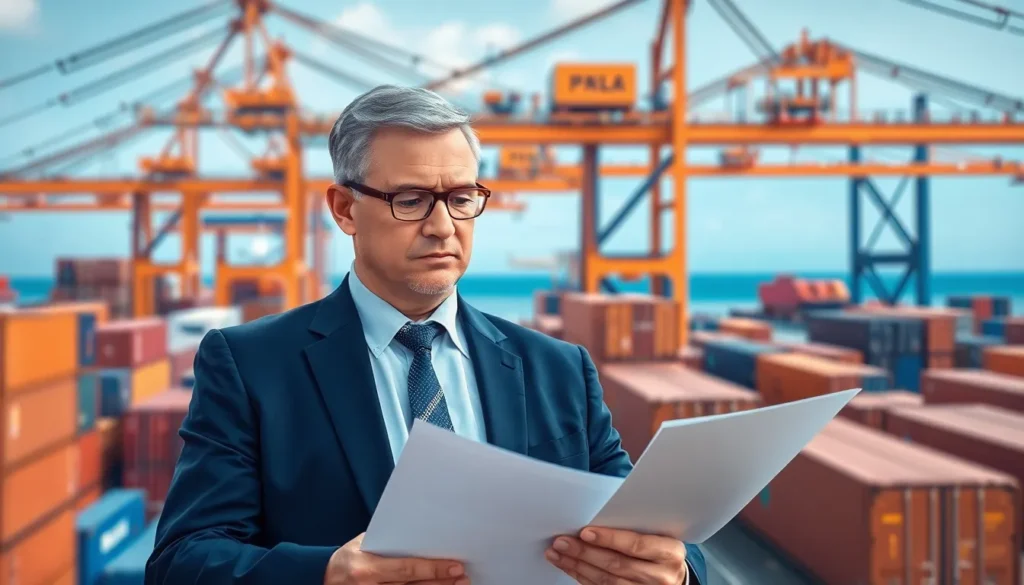
Navigating import procedures can feel like trying to solve a Rubik’s Cube blindfolded. With regulations that change faster than a cat can chase a laser pointer, it’s easy to get lost in the maze of paperwork and compliance. But fear not! Understanding these processes doesn’t have to be as daunting as it sounds.
From customs declarations to tariffs, knowing the ins and outs of import procedures can save time, money, and a whole lot of headaches. Whether you’re a seasoned importer or just dipping your toes into the global market, mastering these steps is crucial. So grab your favorite beverage and get ready to demystify the world of imports—because who said trade can’t be a little fun?
Overview of Import Procedures
Import procedures involve several critical steps to ensure compliance with regulations. Importers must first identify the correct product classification codes. These codes determine applicable tariffs and regulations.
Next, customs declarations play a vital role in the process. Importers submit detailed documentation to the customs authorities. This documentation includes invoices, packing lists, and bills of lading. Providing accurate information is crucial for preventing delays and fines.
Tariffs and taxes follow as significant factors in import procedures. Importers calculate these costs based on the value of the goods and their classification. Knowing the correct tariff rates can lead to substantial savings.
Compliance with regulations is non-negotiable. Failure to adhere to import laws can result in penalties or confiscation of goods. Importers often engage customs brokers to navigate these complexities efficiently. Brokers possess expertise in handling documentation and communicating with customs.
Logistics management remains essential throughout the import process. This aspect involves coordinating transportation, warehousing, and distribution. Ensuring timely delivery requires careful planning and resource allocation.
After goods clear customs, importers must conduct inventory management. Keeping accurate records helps maintain visibility and control over stock levels. This step is vital for assessing the profitability of imported goods.
Engaging with trade specialists aids in understanding the latest regulations and trends. Utilizing their insights can streamline the importing process. Staying informed enables importers to adapt to changes swiftly.
Each element in the import procedure contributes to a smoother experience. Recognizing these components helps demystify the process for both new and seasoned importers.
Key Steps in Import Procedures


Navigating import procedures involves several crucial steps that require careful attention. Understanding these steps enhances efficiency and compliance.
Documentation Requirements
Essential documentation forms the backbone of successful importation. Importers must prepare invoices that list the goods accurately and provide a packing list detailing items shipped. Additionally, certificates of origin may be necessary for specific products to prove their country of manufacture. Import permits might also be required depending on the item, for example, food or pharmaceuticals. Ensuring that all documents are complete and correct avoids delays and costly fines.
Customs Clearance Process
Completing customs clearance determines whether goods can be imported without issues. Importers must submit a customs declaration, which outlines the details about the imported items, including their value and classification. Customs authorities review these declarations to assess applicable tariffs and taxes. After evaluations, they may request additional information or documentation to validate the import. Engaging a customs broker often simplifies this process. Brokers possess expertise that helps manage customs communication efficiently, ensuring that goods clear customs quickly.
Common Challenges in Import Procedures
Navigating import procedures presents various challenges. Two significant obstacles include compliance issues and delays, both affecting costs and efficiency.
Compliance Issues
Regulatory compliance is a critical aspect of import procedures. Non-compliance often leads to penalties and fines that can dramatically impact financial resources. Documentation requirements vary by product and country, creating complexity. Importers must stay informed about evolving laws and regulations to avoid unintentional violations. Engaging a customs broker frequently proves beneficial in ensuring adherence. Customs brokers provide expertise in documentation and can facilitate communication with regulatory authorities. Clear understanding of compliance reduces stress and enhances operational efficiency.
Delays and Cost Implications
Delays in import processes can incur substantial costs. Customs clearance delays often arise from inaccurate documentation or missing permits. Each day of delay may result in additional storage fees or demurrage charges. Effective logistics management helps minimize disruptions and streamline transportation routes. Timely submission of comprehensive customs declarations significantly lowers the risk of holdups. Importers should prepare for possible delays by establishing contingency plans. Anticipating potential obstacles promotes smoother operations and better budget management.
Best Practices for Efficient Import Procedures
Understanding product classification codes significantly impacts the overall import process. Each code determines applicable tariffs and regulations. Importers recognize that precise classification minimizes unexpected costs.
Engaging a customs broker simplifies interactions with customs authorities. Their expertise streamlines documentation and facilitates quicker customs clearance. Timely clearance can prevent unnecessary delays, ultimately saving money.
Maintaining accurate records of documentation is essential. Importers must keep invoices, packing lists, and permits organized. Such precision helps avoid fines and keeps import operations smooth.
Calculating tariffs and taxes accurately contributes to overall efficiency. Importers should assess the total value of goods before shipment. Misestimating these costs can lead to budget overruns.
Staying informed about evolving regulations is vital for compliance. Laws frequently change, so continuous education on import policies is necessary. Importers often benefit from subscribing to industry news sources or forums.
Effective logistics management plays a crucial role in successful imports. Coordinating transportation and distribution systems ensures goods arrive timely. Strategic planning mitigates risks associated with delays.
Developing a proactive communication strategy enhances clarity with all parties involved. Frequent updates about shipment progress keep stakeholders informed. Such transparency builds trust and encourages collaboration.
Prioritizing inventory management post-customs clearance allows for effective stock control. Assessing inventory levels regularly helps gauge profitability and identifies potential issues. Responsiveness to stock fluctuations contributes to sustained operational efficiency.